MILWAUKEE, WI – Software engineer Jennifer Walsh’s three-year relationship with marketing coordinator David Chen took an unexpected turn this week when Chen discovered Walsh had been meticulously tracking their romantic interactions in a comprehensive Excel workbook titled “Relationship_Optimization_v3.7_FINAL.xlsx.”
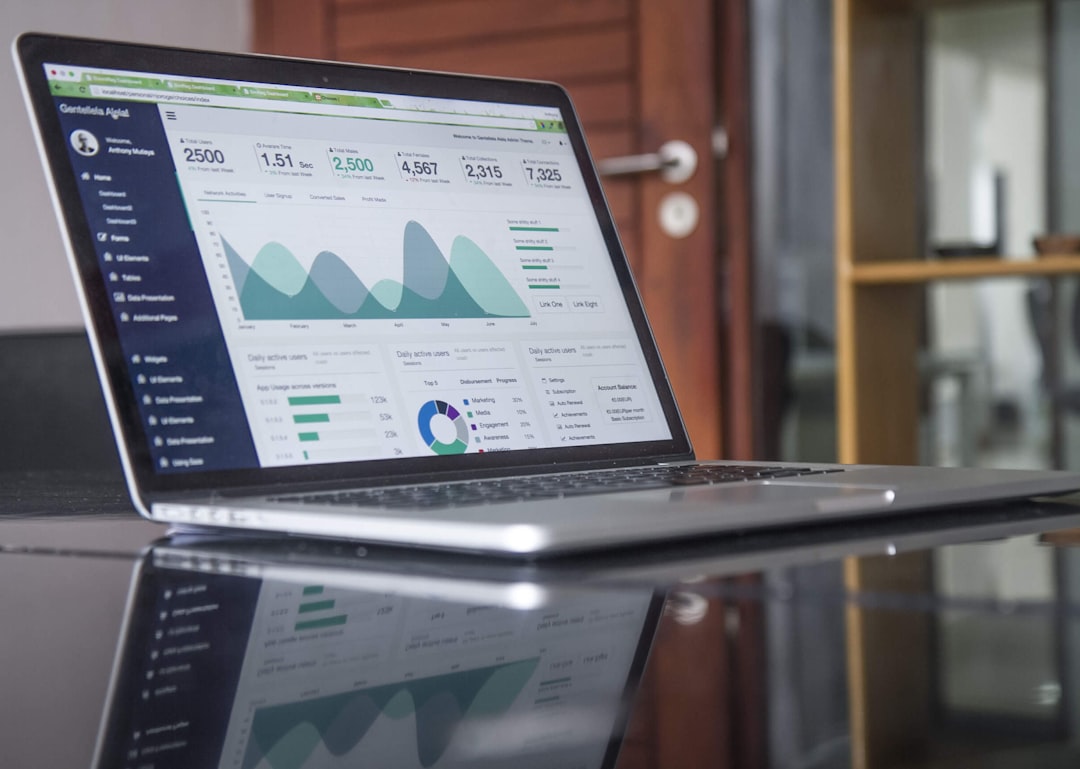
The 847-row spreadsheet, which Chen stumbled upon while borrowing Walsh’s laptop, contained detailed analytics on everything from date night locations and their corresponding satisfaction ratings to color-coded charts tracking the frequency and duration of their conversations about Chen’s extensive collection of vintage board games. A separate tab labeled “Argument Resolution Metrics” featured a sophisticated pivot table breaking down conflict resolution times by topic category.
“I thought she was just really good at remembering things, but it turns out she’s been running A/B tests on our dinner conversations,” said Chen, gesturing toward a printed chart showing optimal compliment-to-complaint ratios. “Apparently, Tuesday is statistically our worst day for meaningful dialogue, and she’s been scheduling all important discussions for Thursdays at 7:47 PM because that’s when my ‘receptiveness index’ peaks.”
Walsh defended her methods, explaining that the system had successfully increased their relationship satisfaction scores by 23% quarter-over-quarter. “Love is beautiful, but it’s also inefficient,” Walsh stated while adjusting a formula in her “Future Anniversary Gift Probability Matrix.” “David used to say he felt like we were drifting apart, so I implemented some basic relationship KPIs. Now we’re consistently exceeding our monthly affection targets.”
At press time, Chen was reportedly considering whether to feel flattered or concerned that Walsh had created a separate workbook entirely dedicated to optimizing his birthday celebrations using predictive modeling.